- just-hair
How Balayage and Highlights Compare for Color, Maintenance, and Style Goals
Choosing a new hair color can be exciting, but it can also feel overwhelming when popular options like balayage and highlights seem very similar. Many people use the terms interchangeably, yet they are two different techniques that create different results.
Both services can add dimension, brightness, and movement to the hair, but the application process, maintenance requirements, and final appearance are not exactly the same. What works best for one person may not be the ideal choice for someone else.
The good news is that neither option is universally better. The right choice usually depends on your desired look, hair type, lifestyle, and how much maintenance you are comfortable with.
In this guide, you will learn the differences between balayage and highlights, how each technique works, and which hair color option may be the best fit for your personal style and maintenance preferences.
What Is Balayage?
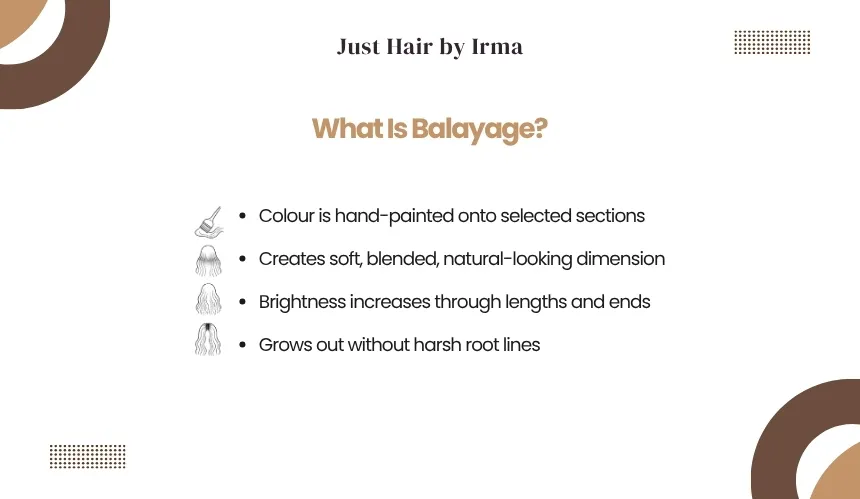
Balayage is a hair coloring technique where color is hand-painted onto the hair to create a soft, blended, and natural-looking effect. Instead of using a uniform pattern from roots to ends, balayage creates gradual brightness that often looks lighter through the mid-lengths and ends.
This technique is popular because it gives the hair dimension without creating harsh lines near the roots. It is often chosen by people who want a sun-kissed look that grows out more softly over time.
How the balayage technique works
During balayage, the stylist paints lightener or color onto selected sections of hair using a freehand method. This allows the color placement to be customized based on the haircut, natural hair color, face shape, and desired brightness.
Because the color is blended rather than applied in strict sections, the final result usually looks softer and less structured than traditional highlights. This makes balayage a strong option for clients who want dimension without a high-maintenance root line.
The type of look balayage creates
Balayage usually creates a natural, lived-in color effect with softer transitions between darker and lighter areas. The brightness often appears more concentrated around the face and ends, giving the hair a warm and dimensional finish.
This option works well for people who want a relaxed hair color style that does not look too bold or heavily patterned. It can be subtle or dramatic depending on how much brightness is added.
What Are Traditional Highlights?
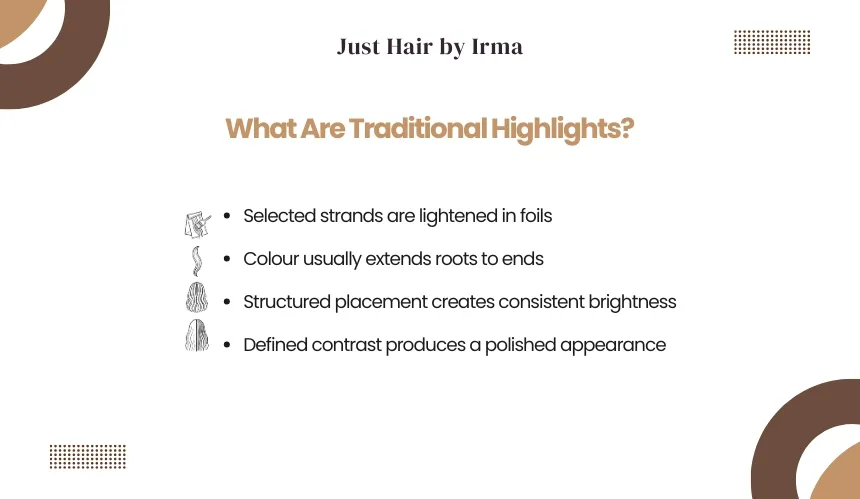
Traditional highlights are a hair coloring technique that lightens selected strands from the roots to the ends to create contrast and brightness throughout the hair. Unlike balayage, highlights follow a more structured pattern and often provide a more uniform result.
Highlights have been a popular color service for many years because they can add dimension, create a brighter overall appearance, and dramatically change the look of the hair.
How highlights are applied
Traditional highlights are usually created by separating specific sections of hair and applying color or lightener from the roots downward. Foils are commonly used to isolate the hair and control how much lift is achieved during the process.
Because the sections are more precise and evenly distributed, highlights often produce a better and more defined effect than balayage.
The overall effect highlights create
Highlights typically create a more noticeable contrast between the natural hair color and the lighter strands. Depending on the placement and color choice, the final result can range from soft dimension to a bold, high-impact look.
Many people choose highlights when they want more brightness throughout the entire head or when they prefer a more polished and structured appearance.
What Are the Main Differences Between Balayage and Highlights?
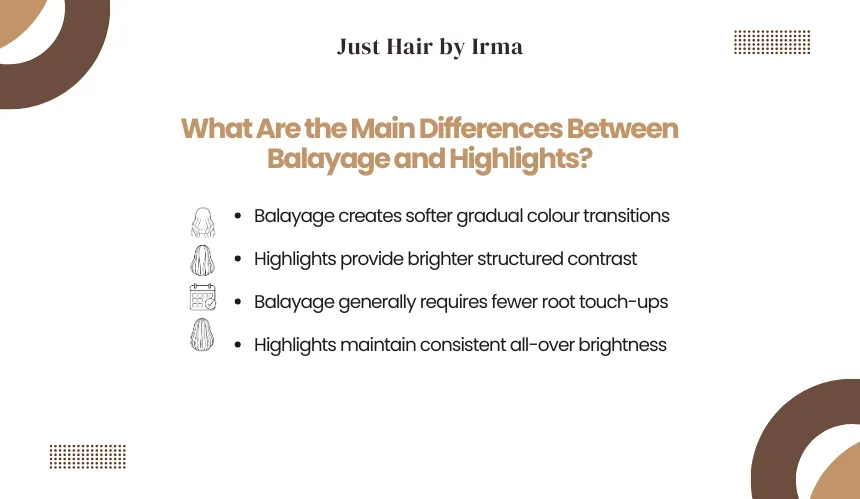
The main difference between balayage and highlights is the way the color is placed and how the final result grows out. Balayage creates a softer, blended look, while highlights usually create brighter and more structured contrast.
How the application method changes the final result
Balayage is hand-painted onto selected sections of hair, which allows the stylist to create a more customized and natural-looking blend. The color usually looks softer near the roots and brighter through the mid-lengths and ends.
Highlights are usually applied in foils, which creates more controlled and even lightening from roots to ends. This method often gives the hair a brighter, more polished, and more noticeable color pattern.
How maintenance differs between both color services
Balayage usually grows out more softly because the color does not start as close to the roots in a harsh line. This can make it a better choice for clients who want a lower-maintenance color option.
Highlights may need more frequent touch-ups because root growth can become visible sooner. This does not make highlights a bad choice; it simply means they often require a more consistent salon schedule.
How the overall color intensity compares
Balayage often creates a softer and more natural appearance with gradual transitions between shades. Many people choose it when they want subtle dimension rather than dramatic contrast.
Highlights generally provide a better and more defined effect. Because the lightened sections are distributed more evenly throughout the hair, the overall color change is often more noticeable.
How each option works with different styling preferences
Balayage is popular among people who prefer a lived-in, effortless look with fewer salon visits. It works especially well for those who enjoy soft waves and natural-looking dimension.
Highlights are often chosen by clients who want consistent brightness throughout the hair or who prefer a more classic and polished appearance. They can also create stronger contrast for those seeking a bolder color result.
Who Should Choose Balayage and Who Should Choose Highlights?
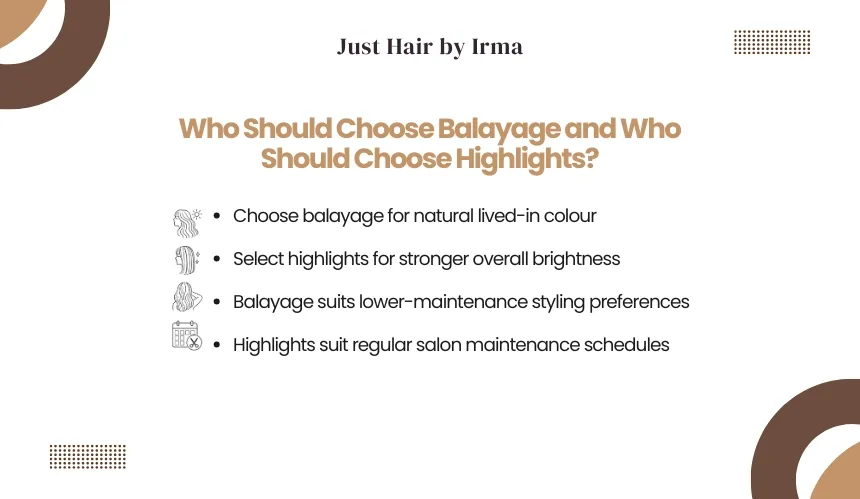
The best choice depends on your desired look, maintenance preferences, and how dramatic you want the color change to be. Neither service is universally better, and the right option often comes down to personal style and lifestyle.
When balayage may be the better option
Because the color blends naturally, balayage is popular among people who want noticeable change without committing to regular salon visits. Balayage is a great choice for clients who:
- Prefer a softer, more natural-looking result
- Want a lower-maintenance color service
- Do not want frequent touch-up appointments
- Like a sun-kissed or lived-in appearance
- Enjoy subtle dimension rather than strong contrast
- Want the color to grow out more gradually
When highlights may be the better option
Highlights remain a popular choice for people who want a classic color service with noticeable brightness and dimension. Traditional highlights are ideal for clients who:
- Want brighter color throughout the hair
- Prefer a more defined and polished appearance
- Enjoy higher contrast between shades
- Like maintaining a regular salon schedule
- Want consistent lightness from roots to ends
- Are looking for a more dramatic transformation
Frequently Asked Questions
Is balayage less damaging than highlights?
Balayage can sometimes feel gentler because it is often applied away from the roots and may require fewer touch-ups. However, damage depends on the lightener, hair condition, and how much lift is needed.
Which lasts longer, balayage or highlights?
Balayage usually grows out more softly and may last longer between salon visits. Highlights often need touch-ups sooner because root growth is more noticeable.
Can balayage and highlights be combined?
Yes, many stylists combine both techniques to create brightness, depth, and a blended finish. This can work well when someone wants soft dimension with extra lightness.
Which option is better for dark hair?
Both can work on dark hair. Balayage often creates a softer brunette blend, while highlights can create stronger contrast and brighter pieces.
Does balayage cost more than highlights?
Balayage may cost more in some salons because it requires customized placement and blending. Pricing depends on hair length, color goals, stylist experience, and salon location.